 EN
EN
 AR
AR
 BG
BG
 HR
HR
 CS
CS
 DA
DA
 NL
NL
 FI
FI
 FR
FR
 DE
DE
 EL
EL
 HI
HI
 IT
IT
 JA
JA
 KO
KO
 NO
NO
 PL
PL
 PT
PT
 RO
RO
 RU
RU
 ES
ES
 SV
SV
 CA
CA
 TL
TL
 IW
IW
 ID
ID
 LV
LV
 LT
LT
 SR
SR
 SK
SK
 SL
SL
 UK
UK
 VI
VI
 ET
ET
 HU
HU
 TH
TH
 FA
FA
 MS
MS
 HY
HY
 AZ
AZ



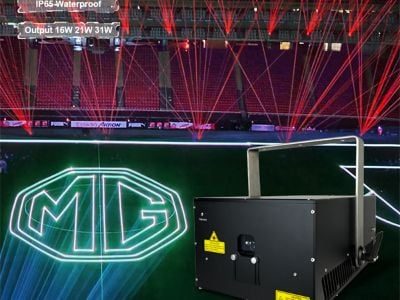
The 20W RGB Laser Stage Light is rapidly becoming the new standard for arena-scale concerts, thanks to its ability to create dynamic visual experiences that captivate audiences. As purchasing managers, event planners, and technical engineers explore options for stage lighting, concerns around reliability, performance, and cost become paramount. This article aims to address these concerns by providing comprehensive insights into sourcing, pricing, applications, installation, and troubleshooting of 20W RGB Laser Stage Lights
Where to Find Reliable Suppliers for 20W RGB Laser Stage Lights
When searching for reliable suppliers of 20W RGB Laser stage lighting price, it’s crucial to consider manufacturers with a solid reputation in the industry. Look for companies that specialize in laser lighting, as they will likely have the technical expertise and production capabilities necessary to meet your specific needs. Guangdong Knight Photoelectric Technology Co., Ltd., for example, focuses on high-quality laser lights and offers comprehensive support, ensuring that clients can maximize the potential of their products
To evaluate potential suppliers, consider asking for references, reviewing customer testimonials, and verifying whether they have experience supplying to similar events or venues. Additionally, check if they provide product samples and detailed product specifications to help you assess quality before making bulk purchases
Cost Factors to Consider for Bulk Orders of Laser Stage Lights
The cost of 20W RGB Laser Stage Lights can vary significantly based on several factors. First, consider the volume of your order. Manufacturers often offer tiered pricing, where the cost per unit decreases as the quantity increases. However, it’s essential to evaluate the total cost, including shipping, installation, and maintenance, rather than just the unit price
Next, factor in customization options. Custom features such as specific color outputs, housing materials, or control systems may increase the base price. Furthermore, ensure you inquire about warranties and after-sales support, as these can affect the long-term value of your purchase
Lastly, consider the supplier’s production capabilities and lead time. A manufacturer with advanced technology and efficient processes may offer competitive pricing without sacrificing quality
Applications of 20W RGB Laser Stage Lights in Large-Scale Concerts
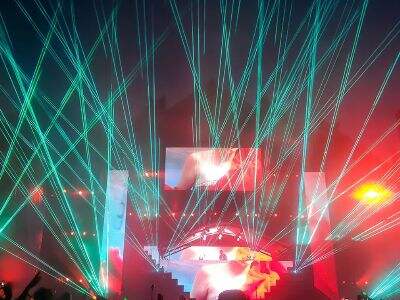
The versatility of 20W RGB Laser Stage Lights makes them ideal for large-scale concerts and events. These lights can produce a wide spectrum of colors and patterns, enhancing live performances and creating immersive environments for audiences. Common applications include stage backdrops, dynamic lighting for performers, and synchronized light shows that complement musical rhythms
Additionally, these laser lights can be integrated with advanced control systems, allowing for precise choreography of lighting effects in real-time. This integration enables technical teams to create breathtaking visual experiences that resonate with concert-goers and enhance the overall atmosphere of the event
Installation Guidance for 20W RGB Laser Stage Lights in Venues
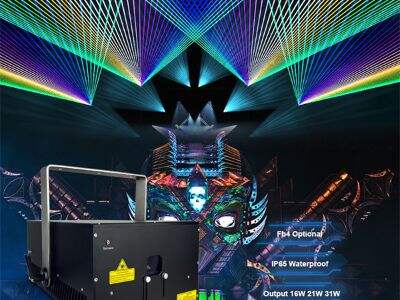
Proper installation of 20W RGB Laser stage lights is vital to ensure optimal performance and safety. Here are key steps to follow during installation
Site Assessment: Before installation, assess the venue's layout and determine the optimal locations for the lights. Consider factors such as audience sightlines, power supply availability, and mounting options
Mounting: Use appropriate mounting hardware to secure the lights. Ensure that the mounting points can support the weight of the laser units and comply with safety regulations
Power and Control Connections: Connect the lights to a reliable power source, and ensure that wiring complies with local electrical codes. For enhanced functionality, integrate the lights with a control system that allows for programming and synchronization
Testing: After installation, conduct thorough testing to verify that all units operate correctly and produce the desired effects. Adjust angles and settings as needed to maximize visual impact
Training: Provide training for the technical staff on operating the laser lights efficiently, including safety protocols and troubleshooting techniques
Common Problems with Laser Stage Lights and Effective Solutions
While 20W RGB Laser Stage Lights are designed for durability, they can still encounter issues. Here are some common problems and their solutions
Inconsistent Color Output: If lights are not producing consistent colors, check for firmware updates or calibrate the units. Ensure that the power supply is stable and that all connections are secure
Overheating: Laser lights can overheat, affecting performance. Ensure that the installation allows for adequate ventilation and that the lights are not obstructed. Regularly check and clean the cooling fans and heat sinks
Control System Malfunctions: If the lights do not respond to control signals, verify the connections between the control system and the lights. Check for software updates and ensure compatibility between hardware components
Physical Damage: Inspect the lights regularly for signs of wear or damage, especially after events. Address any mechanical issues promptly to avoid further damage
By understanding these potential issues and implementing preventive measures, buyers can ensure that their 20W RGB Laser Stage Lights remain reliable throughout their operational life
In summary, the 20W RGB Mini laser stage lighting is an essential component for modern arena-scale concerts, offering versatility, stunning visuals, and a range of applications that elevate live performances. By carefully selecting suppliers, considering cost factors, and understanding installation and troubleshooting, purchasing managers and event planners can make informed decisions that enhance their events
Table of Contents
- Where to Find Reliable Suppliers for 20W RGB Laser Stage Lights
- Cost Factors to Consider for Bulk Orders of Laser Stage Lights
- Applications of 20W RGB Laser Stage Lights in Large-Scale Concerts
- Installation Guidance for 20W RGB Laser Stage Lights in Venues
- Common Problems with Laser Stage Lights and Effective Solutions
